

According to Grand View Research, the global powder metallurgy market is experiencing strong growth, driven by rising demand from the automotive industry and expanding applications in medical and advanced materials. The market is projected to reach USD 10.19 billion by 2033, growing at a CAGR of 15.1%, reflecting increasing adoption across multiple industries.
Contents
What is Powder Metallurgy?
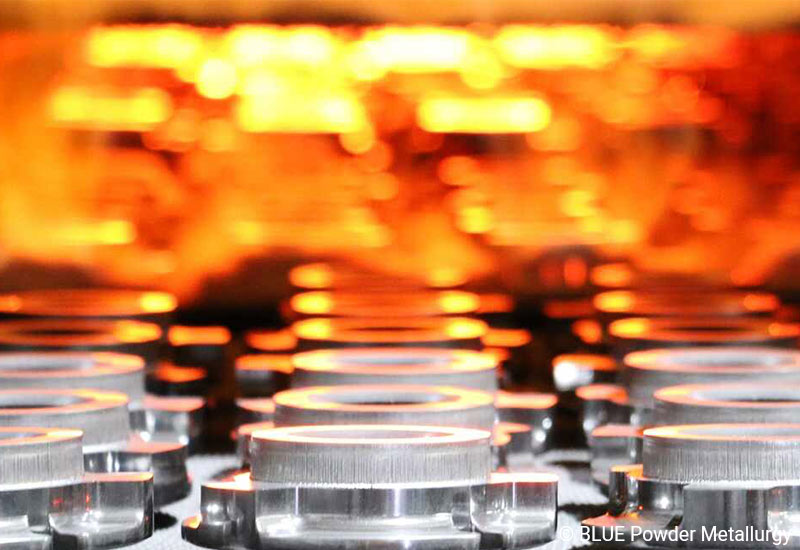
Powder metallurgy is a manufacturing process that produces metal components by compacting metal powders into a defined shape and sintering them below the melting point. The process forms near-net-shape parts with minimal material waste and high dimensional consistency.
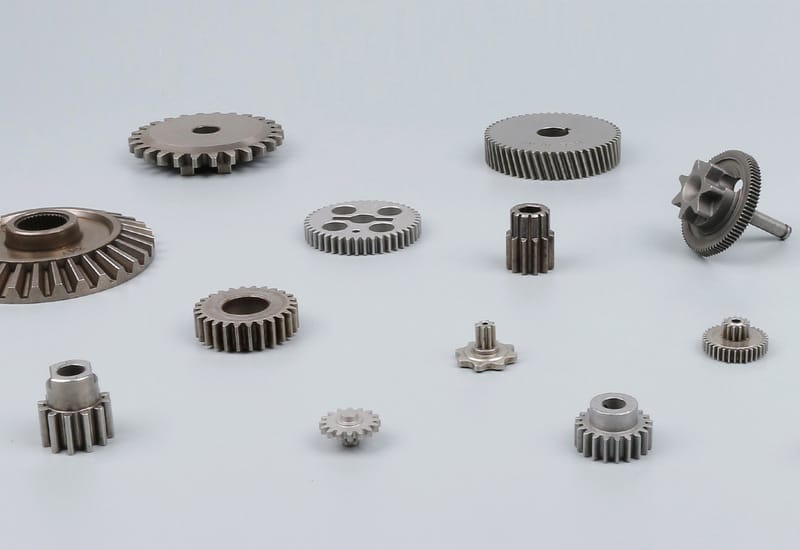
This technology is widely used for gears, bushings, bearings, and structural components in high-volume production. Powder metallurgy supports complex geometries, controlled porosity, and stable mechanical properties. Typical applications include automotive, home appliances, power tools, and industrial equipment. Compared with traditional manufacturing process, powder metallurgy reduces material loss, lowers production cost, and improves repeatability in mass manufacturing.
Leading Powder Metallurgy Manufacturers Worldwide
Leading powder metallurgy manufacturers provide advanced sintered components for automotive, industrial, and consumer applications. Below are some of the top powder metallurgy companies worldwide known for their manufacturing capabilities and global presence.
GKN Powder Metallurgy
GKN Powder Metallurgy operates as a global division of GKN Automotive with over 30 manufacturing facilities across multiple continents. The company employs approximately 8,000 personnel supporting automotive and industrial customers.
Powder Metallurgy Capabilities
GKN operates high-capacity mechanical and hydraulic presses ranging from 100 to 1200 tons for component production. The company maintains multiple sintering technologies including batch furnaces and continuous belt furnaces with controlled atmosphere systems. Secondary operations include sizing, coining, heat treatment, machining, and surface finishing. GKN develops custom tooling in-house with design validation through finite element analysis and physical testing. Production capabilities extend to warm compaction, powder forging, and metal injection molding processes. Quality control systems include statistical process control, coordinate measuring machines, and metallurgical analysis laboratories.
Main Product Range
Product portfolio includes transmission components such as synchronizer hubs, shift forks, and planetary carriers for automotive powertrains. Structural parts comprise connecting rods, main bearing caps, and valve guides for engine applications. The company produces complex gears with helical and spur tooth profiles for transmission systems. Industrial products include hydraulic valve bodies, pump components, and electric motor soft magnetic cores. Specialty products feature oil pump rotors, vacuum pump vanes, and variable valve timing components.
Industries Served
Automotive sector represents primary market focus with components for passenger vehicles, light trucks, and commercial vehicles. Industrial equipment applications include hydraulic systems, power tools, and manufacturing machinery. Electric vehicle production drives demand for soft magnetic components in motors and actuators. Agricultural equipment manufacturers utilize sintered parts in transmission and hydraulic systems. The company supplies aerospace components meeting stringent quality requirements for aircraft systems.

Global Manufacturing Footprint
Manufacturing facilities operate throughout North America with plants in United States, Canada, and Mexico serving regional automotive customers. European operations include production sites in Germany, United Kingdom, Italy, and Poland supporting European vehicle manufacturers. Asian facilities in China, Japan, and India provide components for growing automotive markets. South American presence includes operations in Brazil for regional automotive production. Global network supports just-in-time delivery requirements and localized engineering support.
Sumitomo Electric Sintered Alloy
Sumitomo Electric Sintered Alloy operates as a subsidiary of Sumitomo Electric Industries with headquarters in Japan. The company maintains production facilities across Asia and North America.
Sintered Component Expertise
Sumitomo specializes in high-density sintered components achieving 7.4 g/cm³ through advanced compaction and sintering techniques. The company employs warm compaction technology combining heated powders and heated tooling for improved green strength. Multi-level pressing capabilities produce components with varying thickness sections in single operations. Sintering operations utilize hydrogen atmosphere furnaces maintaining precise temperature profiles for optimal microstructure development. Secondary densification through powder forging increases mechanical properties for high-stress applications. Component testing includes tensile strength verification, hardness measurement, and dimensional inspection using automated systems.
Material Technologies
Material offerings include low-alloy steels with copper, nickel, and molybdenum additions for enhanced strength. Stainless steel powders in 316L and 410L grades support corrosion-resistant applications. Iron-copper-carbon systems provide economical solutions for moderate strength requirements. Pre-alloyed steel powders deliver consistent hardenability for heat treatment operations. Specialty materials include soft magnetic composites for electromagnetic applications and copper-infiltrated steels for thermal management. Powder development focuses on particle morphology optimization and alloy chemistry refinement.
Automotive and Industrial Applications
Automotive transmission components include synchronizer rings, clutch hubs, and gear blanks for manual and automatic systems. Engine applications feature valve seat inserts, connecting rods, and oil pump components. Industrial products comprise bearing retainers, sprockets, and structural brackets for machinery. Electric power steering systems utilize sintered gears and pump bodies manufactured by Sumitomo. The company produces shock absorber components including piston valves and guide rods for suspension systems.
PMG Holding
PMG Holding operates as a holding company for multiple powder metallurgy manufacturing entities across North America. The organization manages nine production facilities with specialized capabilities.
Powder Metal Production Capabilities
PMG facilities operate mechanical presses from 50 to 800 tons capacity for diverse component sizes and geometries. Compaction technology includes single-action, double-action, and withdrawal tooling configurations accommodating complex part designs. Sintering operations utilize mesh belt furnaces and pusher furnaces with endothermic gas atmospheres for carbon control. The company provides precision sizing operations achieving tolerances to ±0.025 mm for critical dimensions. Secondary processing includes thread rolling, broaching, tumbling, and plating operations integrated within manufacturing cells. In-house tool and die shops design and manufacture compaction tooling with lead times under six weeks for prototypes.
Product Categories
Component portfolio spans structural parts such as bearing caps, brackets, and housings for automotive and industrial applications. Gear products include helical, spur, and bevel configurations for power transmission systems. Cam lobes, sprockets, and ratchets serve timing and actuation mechanisms. The company manufactures complex-shaped components with multiple levels, side holes, and undercuts through advanced tooling. Specialty products include flanged bushings, wear plates, and custom-engineered components for unique applications.
Target Markets
Automotive market represents significant focus with components for engines, transmissions, and chassis systems across vehicle platforms. Lawn and garden equipment manufacturers source gears, cams, and structural components for outdoor power equipment. Hand and power tool applications include motor housings, gear sets, and structural frames. Hydraulic systems utilize PMG valve bodies, pump components, and actuator parts. Industrial machinery customers specify sintered components for conveyors, automation equipment, and material handling systems.
Quality Certifications
PMG facilities hold IATF 16949 certification for automotive quality management systems with regular third-party audits. ISO 9001 certification covers all manufacturing locations demonstrating standardized quality procedures. Specific facilities maintain ISO 14001 environmental management certification for controlled waste and emissions. The company implements statistical process control across production operations with real-time monitoring. Metallurgical laboratories at each facility perform chemical analysis, microstructure evaluation, and mechanical property testing.
Miba AG Sinter Group
Miba Sinter Group operates as a division of Miba AG headquartered in Austria with over 70 years producing sintered components for automotive and industrial markets.
Sintered Metal Manufacturing Technology
Miba employs high-performance hydraulic presses with forces exceeding 2500 tons for large structural components and complex geometries. Warm compaction technology heats powders to 130-150°C improving compressibility and green strength for high-density parts. The company operates continuous sintering furnaces with multiple heating zones maintaining precise temperature control within ±5°C. Atmosphere management systems provide hydrogen-nitrogen mixtures optimized for specific alloy compositions and carbon levels. Sizing operations use dedicated presses correcting dimensional variations and improving surface finish. Secondary heat treatment includes carburizing, carbonitriding, and induction hardening for enhanced wear resistance.
Core Product Lines
Engine components include main bearing caps, connecting rod caps, and camshaft bearing supports requiring high strength and dimensional stability. Transmission products feature synchronizer bodies, clutch hubs, and planetary carriers for automatic and dual-clutch systems. Valve train components comprise rocker arms, cam followers, and adjusters for precise valve timing control. Oil pump rotors with complex profiles deliver reliable lubrication system performance. Structural parts include engine mounts, brackets, and sensor housings integrating multiple functions.
Industry Focus Areas
Automotive powertrain applications dominate production volume with components for passenger cars, commercial vehicles, and off-highway equipment. The company supplies electric vehicle components including motor housings, gear carriers, and structural supports. Industrial hydraulics sector utilizes Miba valve bodies, pump housings, and manifold blocks. Agricultural machinery incorporates sintered transmission components and hydraulic system parts. Racing applications demand high-performance connecting rods and gear sets manufactured to stringent specifications.
Hitachi Chemical Powder Metal
Hitachi Chemical operates powder metallurgy divisions across Japan and Asia as part of broader materials technology operations within Hitachi Group.
Powder Metallurgy Process Capabilities
Hitachi utilizes mechanical and servo-electric presses providing precise control over compaction speed and pressure profiles for optimized density distribution. Multi-axis pressing technology produces components with complex geometries including radial holes and undercuts without secondary machining. High-temperature sintering up to 1350°C in hydrogen atmospheres develops fine-grain microstructures with superior mechanical properties. Vacuum sintering capabilities support stainless steel and specialty alloy processing eliminating surface oxidation. The company implements automated powder handling systems maintaining consistent fill density and weight control. Integrated metrology systems perform 100% dimensional inspection using laser scanning and coordinate measurement.
Primary Products
Soft magnetic components for electric motors include stator cores, rotor laminations, and pole pieces optimized for electromagnetic performance. Oil pump assemblies feature precisely matched inner and outer rotors maintaining tight clearances for efficient operation. Variable valve timing (VVT) components include VVT sprockets, phasers, and locking mechanisms for engine performance optimization. Transmission components comprise clutch plates, separator plates, and friction material carriers for automatic transmissions. Sensor housings with integrated mounting features support automotive electronic systems.
Served Industries
Automotive electronics applications include components for engine control modules, transmission controllers, and safety systems. Electric and hybrid vehicle production drives demand for motor cores and power electronics housings. Consumer electronics manufacturers utilize sintered metal shields, heat sinks, and structural components. Home appliance sector incorporates powder metal gears, bushings, and motor components in washing machines and refrigeration systems. Industrial automation equipment employs precision sintered parts in actuators, sensors, and control devices.
R&D and Innovation Strength
Hitachi operates dedicated research facilities developing advanced powder metallurgy materials and processing techniques. Soft magnetic composite development focuses on reducing core losses and improving magnetic permeability for motor efficiency gains. Warm compaction research optimizes temperature, pressure, and die design parameters for density improvements without liquid phase sintering. The company collaborates with automotive manufacturers on lightweighting initiatives using optimized component geometry and material selection. Simulation capabilities include powder flow modeling, compaction stress analysis, and sintering shrinkage prediction. Patent portfolio covers novel powder compositions, compaction methods, and component designs for specific applications.
AMES Group Sintered Metal Manufacturer
AMES operates manufacturing facilities across North America and Europe producing sintered components for automotive and industrial customers through multiple subsidiary companies.
Powder Metal Forming Capabilities
AMES maintains mechanical press capacity from 100 to 1000 tons accommodating component weights from 10 grams to 5 kilograms. The company employs withdrawal die technology creating components with reverse tapers and complex internal features. Compaction tooling design utilizes multi-level capability producing parts with up to eight distinct thickness levels in single press strokes. Automated powder feeders maintain consistent fill weight variation below 0.5% for dimensional repeatability. Sintering operations include continuous mesh belt furnaces and pusher furnaces with zone-controlled heating and cooling. Steam treatment post-processing increases density and corrosion resistance through oxide formation in surface porosity.
Product Portfolio
Bearing and bushing products include flanged and straight wall designs with controlled porosity for oil retention in lubrication applications. Sprockets and gears serve power transmission across automotive, agricultural, and industrial equipment sectors. Structural components comprise brackets, housings, and mounting plates integrating multiple features to reduce assembly operations. Cam lobes and followers provide precise motion control in engine valve trains and actuation systems. Custom-engineered components address specific customer requirements with optimized geometry and material selection.
Application Sectors
Automotive transmission systems incorporate AMES components in torque converters, planetary gear sets, and shift mechanisms. Small engine applications for lawn equipment, generators, and pressure washers utilize sintered gears and camshafts. Lock and security hardware manufacturers source sintered components for cylinder locks and latching mechanisms. Recreational vehicle and marine equipment applications include transmission parts and engine components. Appliance motors employ sintered bushings, gears, and structural supports manufactured by AMES facilities.
Hoganas AB
Hoganas operates as the world’s largest metal powder producer with headquarters in Sweden and global production facilities supplying powder metallurgy manufacturers worldwide.
Metal Powder Production
Hoganas produces iron and steel powders through water atomization controlling particle size distribution, morphology, and apparent density. Alloy powder manufacturing includes pre-alloyed and diffusion-bonded compositions with copper, nickel, molybdenum, and chromium additions. Stainless steel powder grades span austenitic, ferritic, and martensitic compositions for corrosion-resistant applications. The company manufactures soft magnetic composite powders with insulated particles reducing eddy current losses in electromagnetic devices. Surface treatment processes modify powder flowability, compressibility, and green strength characteristics. Production capacity exceeds 500,000 tons annually distributed across multiple facilities with regional supply capabilities.
Material Grade Offerings
Astaloy product line includes pre-alloyed powders with chromium and molybdenum providing consistent hardenability for heat-treated components. Densmix formulations combine base iron powder with graphite and lubricant additives optimized for specific density targets. Distaloy compositions feature nickel, copper, and molybdenum pre-alloyed for high-strength structural applications. Stainless steel powders in 316L, 410L, and 434L grades support corrosion resistance requirements across industries. Somaloy soft magnetic composites offer three-dimensional magnetic flux capability for advanced motor and actuator designs. Custom powder blends address specific application requirements balancing mechanical properties, compressibility, and cost.
Global Distribution Network
Hoganas maintains production facilities in Sweden, United States, China, Japan, and Belgium supplying regional powder metallurgy markets. Technical service centers provide application engineering support, material selection guidance, and process optimization assistance. The company operates warehousing and logistics networks supporting just-in-time delivery to component manufacturers. Regional sales teams collaborate with customers on component development from design through production launch. Training programs educate customers on powder characteristics, processing parameters, and quality control methods. Digital platforms provide material data sheets, safety information, and technical documentation accessible to global customers.
Porite Corporation
Porite Corporation is a Japanese powder metallurgy manufacturer founded in 1952. The company specializes in sintered oil-impregnated bearings, bushings, and precision structural components. Porite operates global manufacturing facilities across Asia, Europe, and North America, serving automotive and industrial markets.
Powder Metallurgy Capabilities
Porite produces sintered components using high-precision compaction presses and controlled atmosphere sintering furnaces. The company manufactures oil-impregnated bearings with controlled porosity for self-lubricating performance. Secondary operations include sizing, machining, and surface finishing.
Main Product Range
Product portfolio includes:
- Oil-impregnated bearings and bushings
- Sintered gears
- Motor components
- Pump components
- Precision structural parts
Industries Served
Porite supplies components to:
- Automotive
- Electric motors
- Home appliances
- Power tools
- Industrial equipment
Porite operates production facilities in Japan, Taiwan, China, Southeast Asia, Europe, and North America. Global operations support regional customers and high-volume manufacturing requirements.