
Secondary Operations
At BLUE, our secondary processing capability covers a wide range of post-sintering operations to improve dimensional accuracy, surface quality, and final part performance. These processes allow us to refine sintered components after forming and sintering, meet tighter tolerance requirements, and support more complex application needs.
5
Sizing Press
5
Machining Center
10
Vibratory Finishing Machines
3
Sandblasting Machines
1
Hardening Furnace
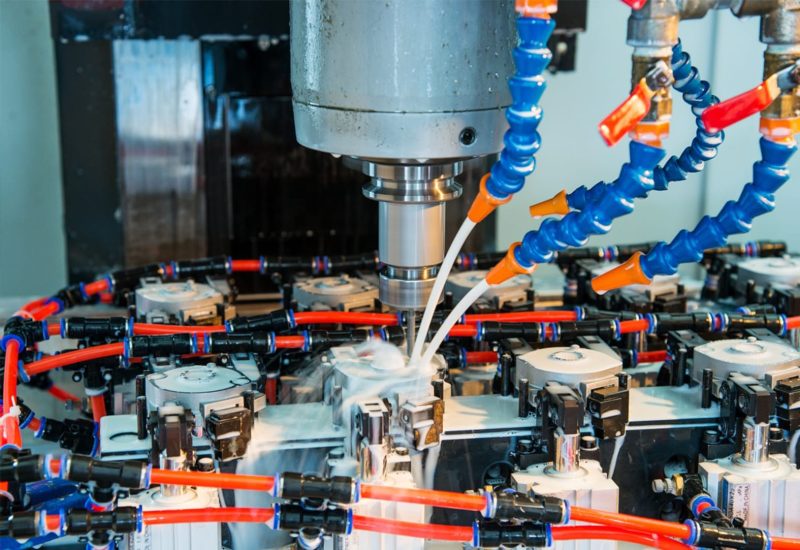
CNC Machining
With in-house CNC machining capability, BLUE can further process powder metallurgy parts after sintering to achieve tighter tolerances, smoother surfaces, and functional features that pressing and sintering alone cannot fully provide.
Our CNC machining capability covers turning, drilling, milling, grinding, reaming, tapping, and threading. It is suitable for cross holes, blind holes, threads, slots, flat surfaces, sealing faces, shaft holes, and precision fitting areas on sintered components.
BLUE applies suitable machining methods to improve dimensional accuracy, surface quality, and part consistency for gears, bushings, rotors, flanges, and custom PM part

Sizing
BLUE uses an automatic sizing process to calibrate sintered powder metallurgy parts after sintering. Sizing process improves dimensional accuracy, roundness, and key fitting areas with high efficiency and lower processing cost.
For oil impregnated bushings, sizing also helps compact and smooth the bearing surface, reduce surface roughness, and improve oil retention after impregnation.
After sizing, finished parts can be picked and placed directly into blister trays by robotic arms, reducing manual handling and supporting stable batch production.
Steam Treatment
BLUE applies steam treatment to ferrous powder metallurgy parts that require better surface performance, corrosion resistance, and reduced open porosity after sintering.
During this process, sintered iron-based components are treated with high-temperature steam to form a dense black iron oxide layer on the surface and inside connected pores. This helps improve surface hardness, wear resistance, sealing performance, and oil retention for functional PM parts.
Steam treatment is suitable for sintered gears, bushings, rotors, structural parts, and other iron-based components used in pumps, motors, automotive systems, and mechanical assemblies.


Oil Impregnation
BLUE uses oil impregnation for PM parts that need self-lubricating performance, such as bearings used in electric fans, motors, home appliances, office equipment, and other rotating applications.
After impregnation, lubricating oil is stored inside the connected pores of the sintered structure. During operation, the oil is gradually released to reduce friction, lower wear, reduce noise, and support smoother movement without frequent external lubrication.
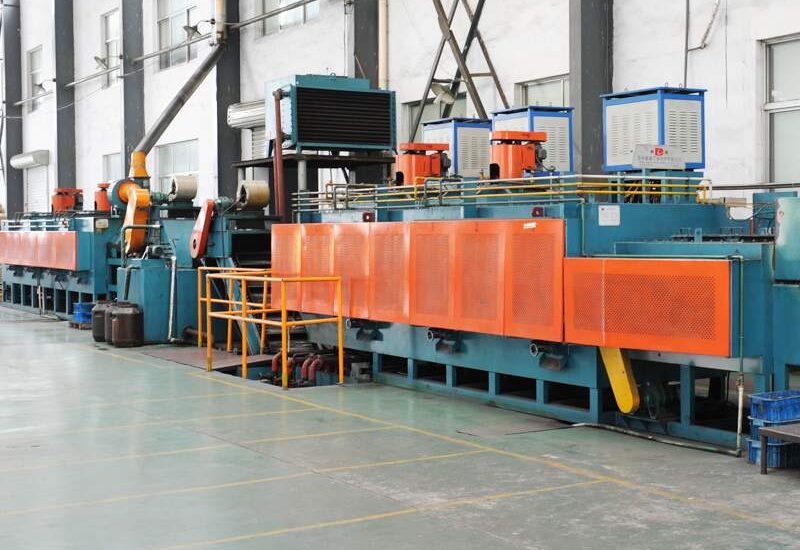
Hardening
For sintered components exposed to friction, impact, or repeated load, BLUE can add hardening after sintering to improve working durability.
The process increases hardness and wear resistance on critical areas, especially tooth surfaces, contact faces, and load-bearing sections.
It is commonly applied to sintered gears, sprockets, clutch parts, lock parts, pawls, and other structural PM parts used in automotive systems, power tools, pumps, and mechanical transmission assemblies.

Vibratory Finishing
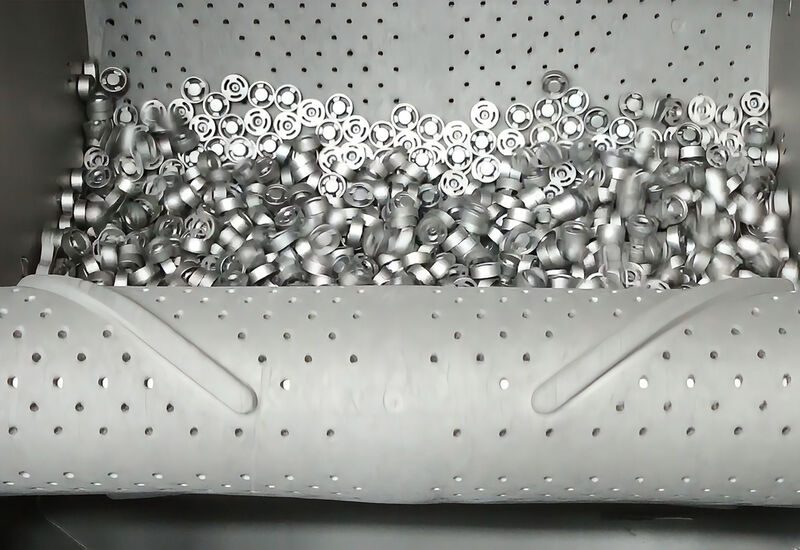
For sintered parts with burrs, sharp edges, or uneven surfaces, BLUE use vibratory finishing as a practical post-sintering process.
Sintered parts are processed together with ceramic, stone, or metal media inside a vibrating bowl. The media continuously rubs against the part surface, helping to deburr edges, soften corners, and improve surface consistency.
This process is useful before coating, assembly, or final packing, especially for parts that require a cleaner and smoother finish.
Sandblasting
BLUE has in-house sandblasting capability for powder metal parts that require cleaner surfaces and a more uniform surface finish after sintering or machining.
This process removes surface oxides, burrs, and residual contaminants by blasting abrasive media onto the part surface at high speed. It helps improve appearance, surface consistency, and preparation for later coating or finishing processes.
Copper Infiltration
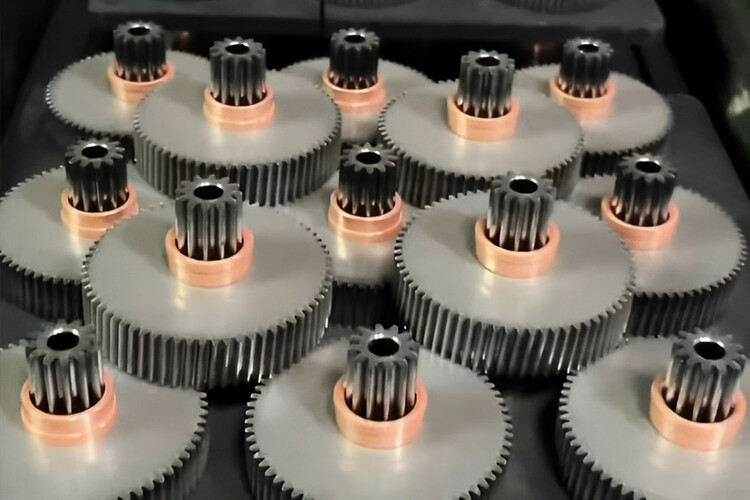
We uses copper infiltration for iron-based powder metallurgy parts that require higher density, strength, hardness, and better mechanical performance.
During infiltration, molten copper enters the connected pores of the sintered part through capillary action. This helps fill internal pores, increase part density, improve structural integrity, and reduce the risk of plating liquid entering open pores during later surface treatment.
This capability is suitable for power tool gears, planetary gears, gear carriers, sprockets, clutch parts, pump components, valves, and other sintered parts that require higher strength, better sealing performance, or improved thermal conductivity.
Dacromet
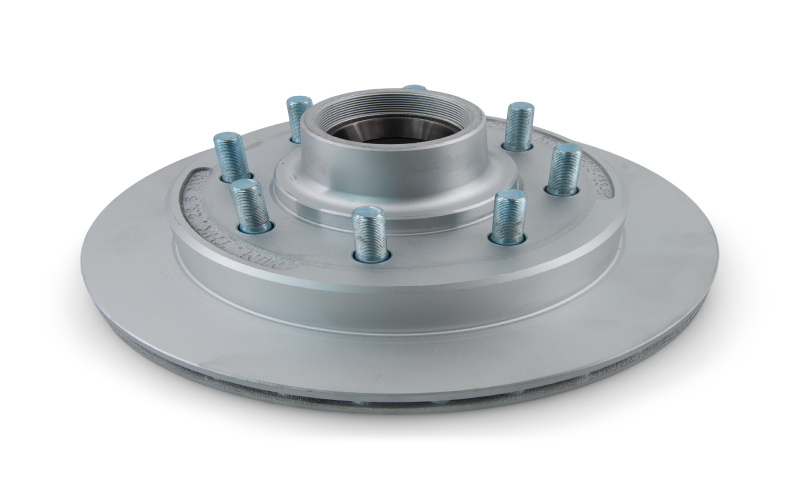
When conventional plating or black oxide is not suitable for porous powder metallurgy parts, BLUE can apply Dacromet coating for better corrosion protection and a cleaner surface appearance.
Dacromet is a zinc-rich coating system. It forms a protective layer on the part surface and helps protect iron-based PM components from rust in humid, outdoor, or harsh working environments.
The process can be applied by dip-spinning, spraying, or dip-draining, depending on part geometry and coating requirements.
Start Your First PM Project with BLUE!