What are Secondary Operations in Powder Metallurgy?
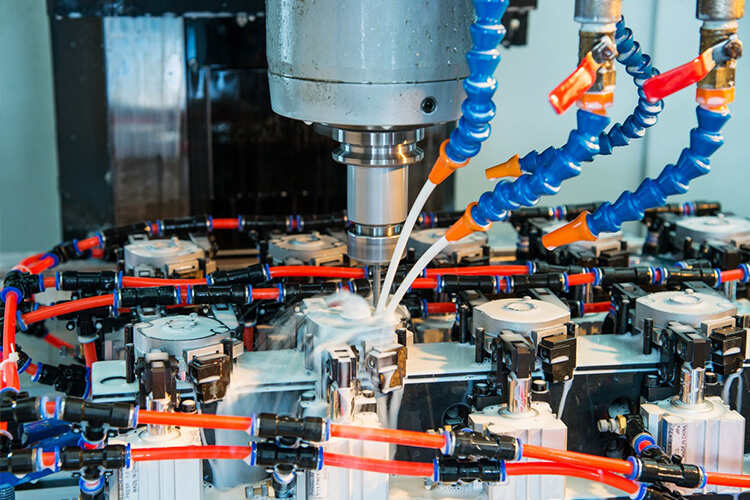
Sintered parts gain additional features or improved mechanical properties and surface finish through secondary operations. Common secondary operations include:
Powder metallurgy sintering is a manufacturing process in which green compacts are heated to a temperature below their melting point in a controlled atmosphere.
The heat causes the metal particles to bond, reducing porosity and increasing density.
This fusion imparts structural integrity and enhances the material’s mechanical properties, resulting in a strong and durable final product…
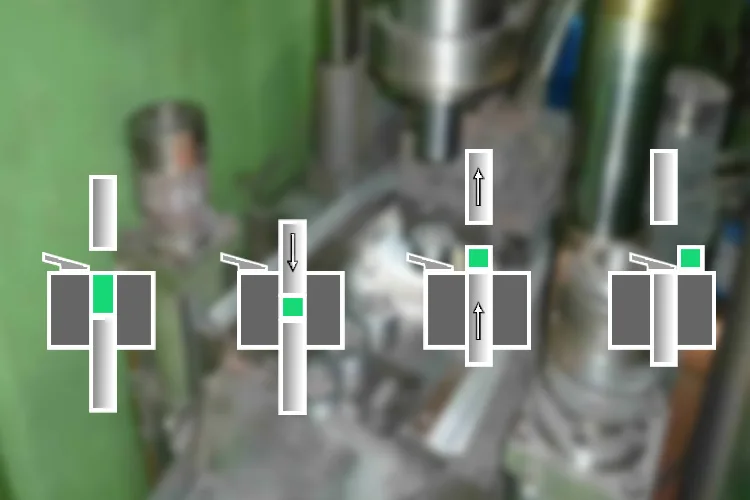
Powder metallurgy process is a metal-forming method that presses metal powders and sinters green compacts below their melting points to create the final component.
It is a near-net-shape process, allowing the production of complex geometries and intricate features…
Powder metallurgy and metal extrusion both convert raw metal into usable engineering shapes, but they follow fundamentally different production routes. Powder metallurgy compacts metal powder into a discrete shape and bonds the particles through sintering, while extrusion forces a solid billet through a shaped die
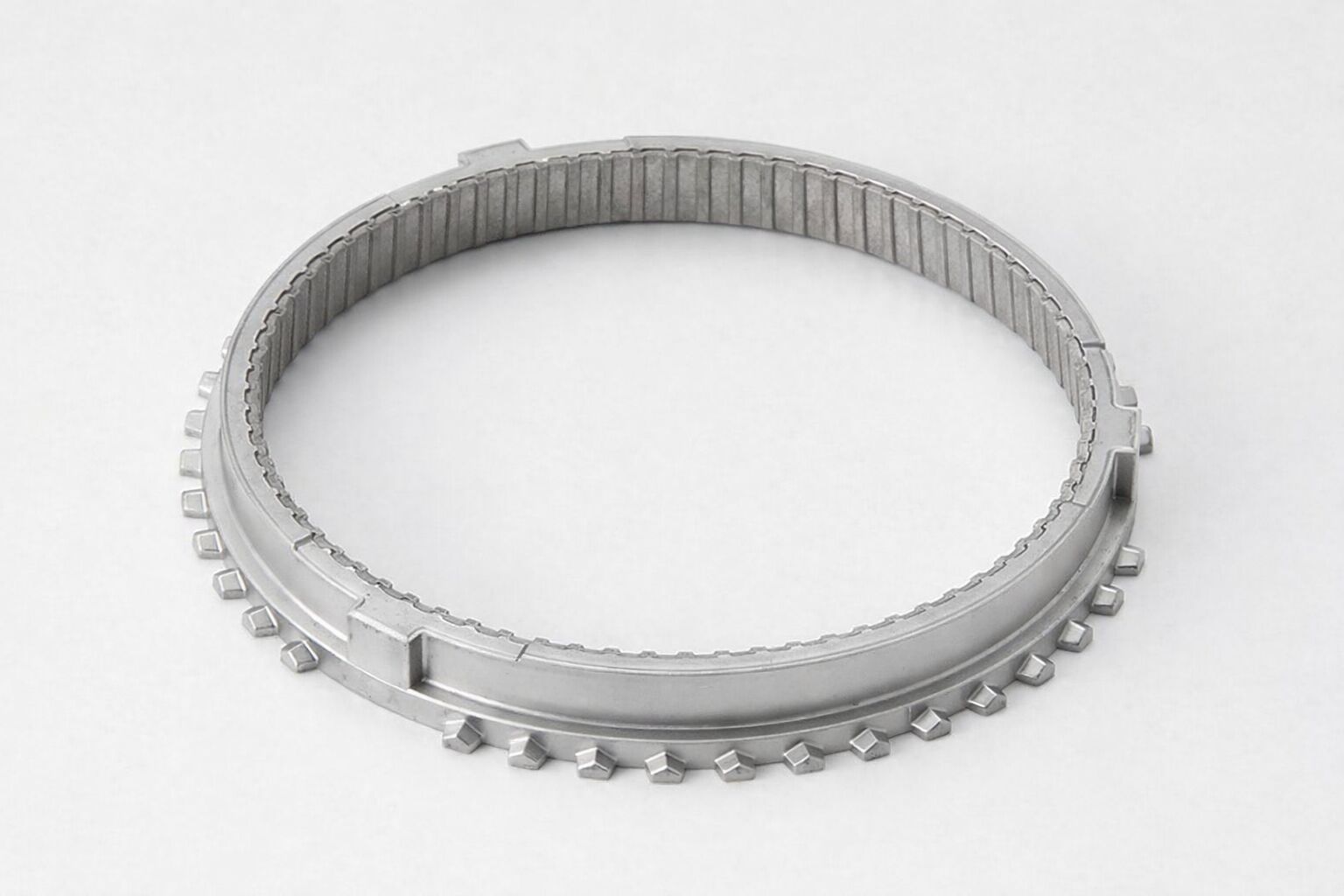
BLUE is a professional ABS sensor ring manufacturer offering over 500 standard powder metal rings for passenger cars, heavy trucks, and off-road vehicles. All standard abs rings require no tooling costs and support stable mass production. An ABS ring (also called a sensor ring or
According to Grand View Research, the global powder metallurgy market is experiencing strong growth, driven by rising demand from the automotive industry and expanding applications in medical and advanced materials. The market is projected to reach USD 10.19 billion by 2033, growing at a CAGR
Powder metallurgy is a manufacturing process in which metal powders are compacted into specific shapes and then sintered at high temperatures below the metal’s melting point to form solid components. This approach allows complex geometries to be produced with minimal material waste and consistent dimensional
Iron-based compressor valve plates are core functional components in reciprocating refrigeration and air-conditioning compressors. Their geometry, flatness, and mechanical stability directly influence sealing efficiency, volumetric performance, and long-term reliability. As compressor designs move toward higher efficiency and tighter tolerances, conventional manufacturing routes increasingly struggle to
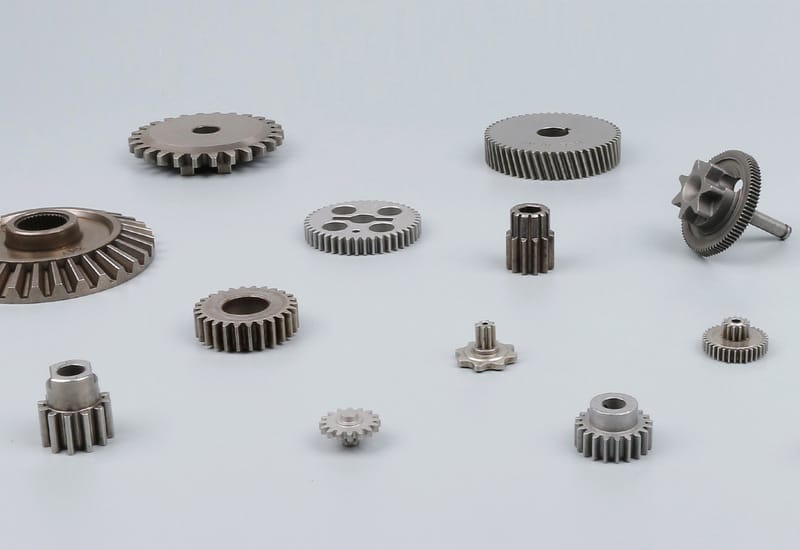
It is well known that powder metallurgy (PM) is an advanced manufacturing technique. PM forms parts from metal powder, offering high material utilization and fast production speeds. Today, different types of powder metallurgy processes are applied in automotive, motorcycle, medical, and aerospace industries. Let’s take
Select the product list you need and our team will send it to you shortly.
Upload your drawing to receive a fast quotation within 24 hours.
Submit your question and we will get back to you shortly.