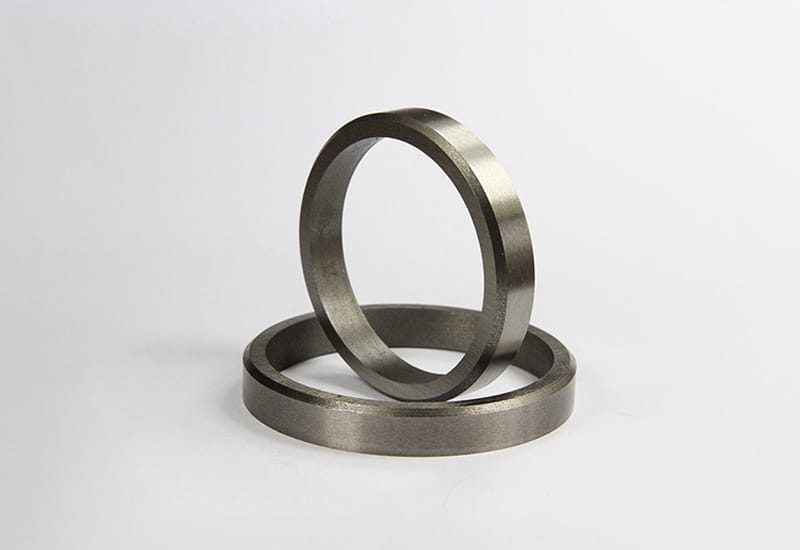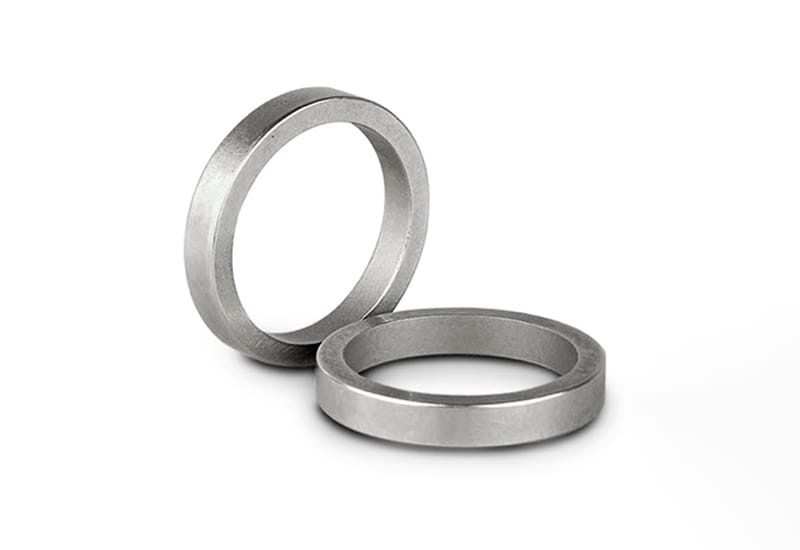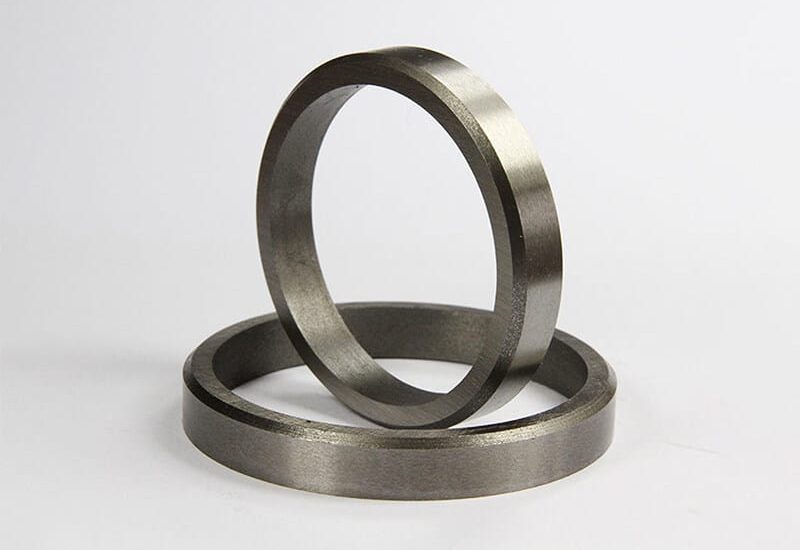
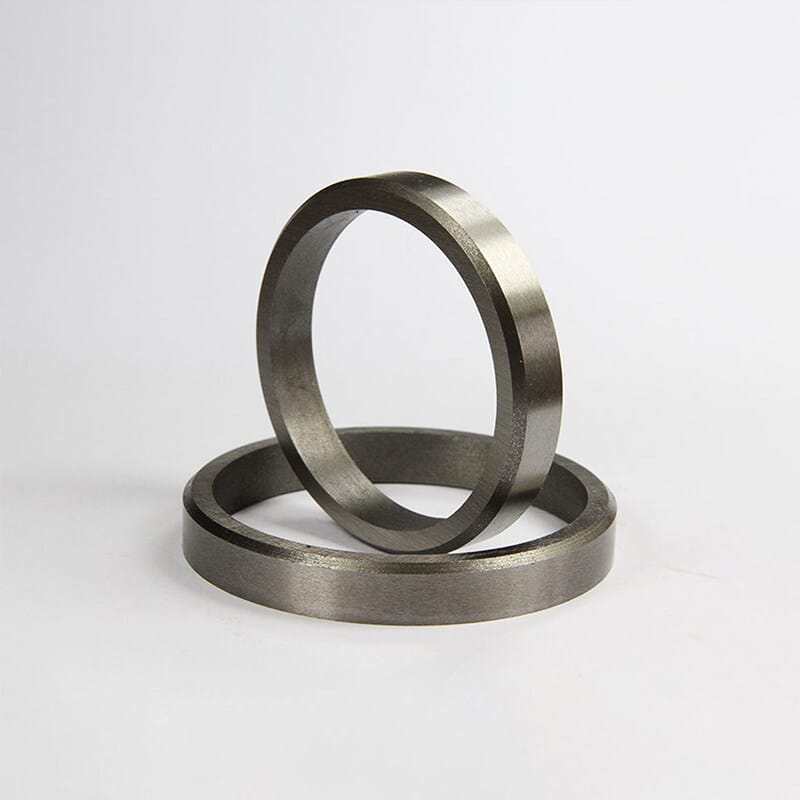
Valve Seats OEM & ODM Supplier - BLUE
BLUE offers a wide range of standard valve seats without mold fees, excellent wear resistance, low friction, and heat resistance. We various valve seats, applied in multiple gasoline and diesel engines Cummins, Weichai, Ford, Toyota, Honda, etc.
BLUE Valve Seats in China
BLUE offers a wide range of valve seats for petrol and diesel engines, featuring low friction and resistance to high impact loads.
Engine Valve Seat
Engine valve seat works with the valve to open and seal the combustion chamber of an internal combustion engine
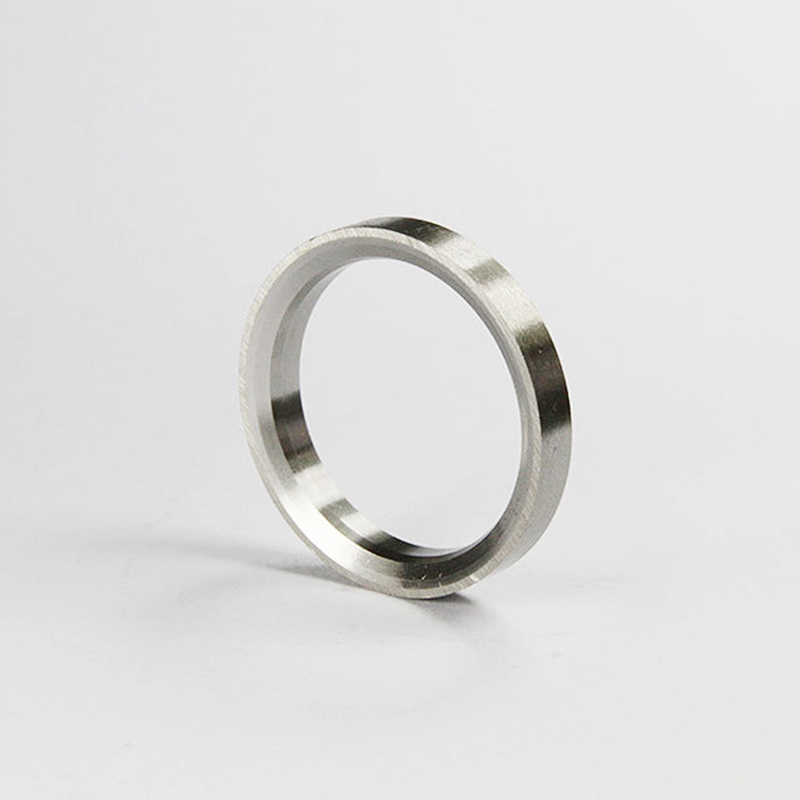
Intake Valve Seat
BLUE intake valve seat has advantages of good lubricity, mechanical strength and corrosion resistance.
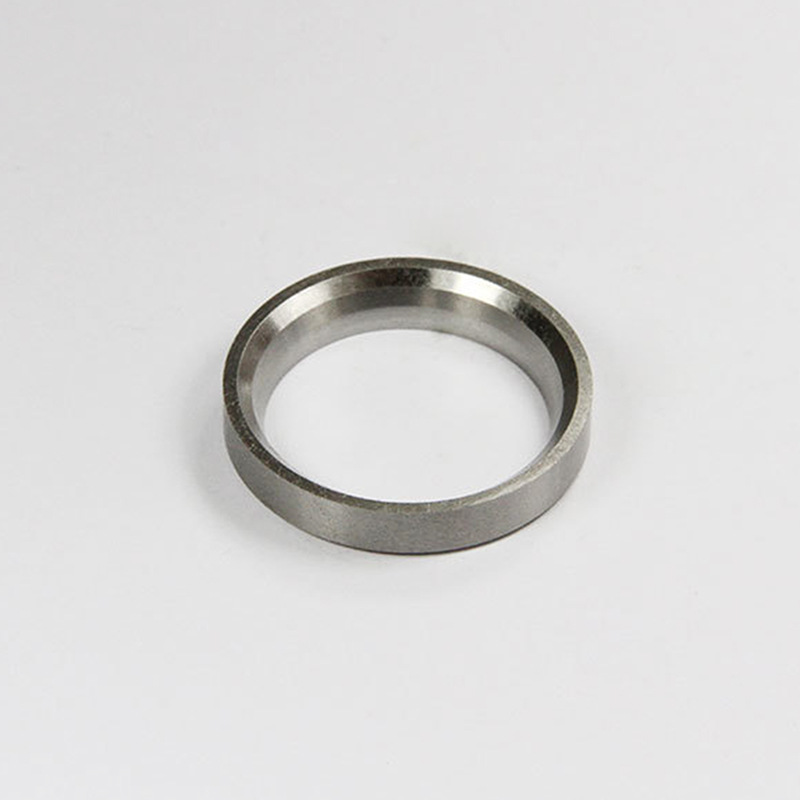
Exhaust Valve Seat
BLUE exhaust valve seat has high load impact resistance, high temperature resistance and good thermal conductivity.
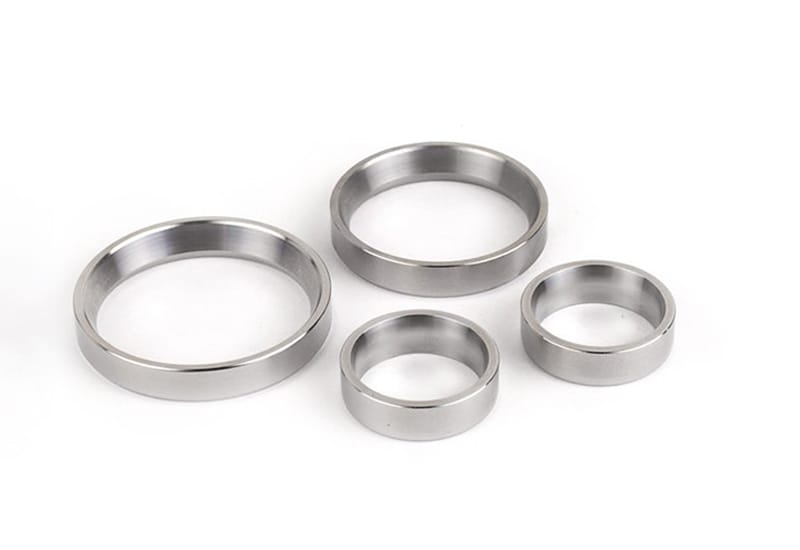
BLUE Valve Seat Advantages
BLUE’s valve seat are manufactured under the supervision of IATF 16949:2016, assuring high quality.
Our sintered valve seats can add anti-friction materials to achieve good self-lubrication and anti-friction effects.
BLUE’s valves are not only applied in ordinary engines, but also in heavy-duty diesel engines and engines running on compressed natural gas, alcohol fuel and liquefied petroleum gas.
The hardness of the BLUE valve seat after heat treatment exceeds 40HRC.
Enhanced Mechanical Properties
BLUE has a professional team of engineers and advanced production equipment with full powder metallurgy process manufacturing capabilities.
We provide copper infiltration, heat treatment, and steam treatment to enhance the mechanical properties of your PM parts.
BLUE’s copper-infiltrated valve seats feature a density of 7.5 g/cm³, a hardness of 50 HRC, and a compression strength of 699 MPa.
Valve seats subjected to heat treatment effectively improve wear resistance, density, yield strength, etc.
Advantages of Sintered Valve Seat
Precision and Consistent Quality
Sintered valve seats have tight tolerances and uniform material properties, delivering consistent quality.
Cost-Effectiveness
Powder metallurgy minimizes material waste, enabling efficient, high-volume production.
Optimized Material Properties
The PM process allows for the addition of alloying elements, enhancing the strength, wear resistance, and other key properties of the valve seats.
What is a Valve Seat?
The valve seat is a key component of an internal combustion engine’s combustion chamber.
It absorbs the high-speed impact of the valve while providing a durable, heat-resistant surface that ensures proper sealing for valves.
Working in conjunction with the engine valve, the valve seat enables the combustion chamber to open and seal correctly, controlling the intake of air-fuel mixture (intake valve seat) and the expulsion of exhaust gases (exhaust valve seat).
Custom Valve Seat Specifications
The table shows our manufacturing capabilities for customized valve seats, including material, density, hardness, tolerance, and surface treatment.
| Attribute | Value |
|---|---|
| Material | Sintered Iron Alloy |
| Sintered Density | 6.6-7.0g/cm3 |
| Sintered Hardness | 65-90 HRB |
| Hardened Hardness | 40 HRC Min. |
| Tolerance | ±0.01 mm |
| Diameter | 20-60mm |
| Length | 6-20mm |
FAQ's
Here are some of the questions we get asked often. If yours isn’t answered, don’t hesitate to contact us, we’re happy to help!
Here are some of the main causes of valve seat failure:
- The high-temperature environment of the valve seat during operation can reduce its hardness and cause thermal stress fatigue, leading to deformation.
- It endures the impact load from the valve, which causes wear.
- Additionally, the valve seat may fail due to exposure to corrosive gases discharged by the engine.