
Powder Metal Part Conversion
We support the conversion of machined or forged parts into powder metal parts for high-volume production. With extensive experience, we help optimize part design, reduce cost, and improve production efficiency.
We support the conversion of machined or forged parts into powder metal parts for high-volume production. With extensive experience, we help optimize part design, reduce cost, and improve production efficiency.
Powder metallurgy process offers cost-effective, eco-friendly production of near-net-shape parts with complex geometries, tight tolerances, and consistent quality, while maximizing material utilization and enabling high-volume manufacturing.
Powder metallurgy is cost-effective because it generates very little waste, and supports high-volume production through automated, repeatable process.
Powder metallurgy delivers consistent part-to-part quality through repeatable pressing operations and sintering cycles across production batches.
Powder metallurgy can incorporate complex shapes like internal channels, thin walls, multiple levels, and splines directly during pressing without extensive machining.
PM forms parts in a die cavity to near-final dimensions, reducing or even eliminating the need for secondary machining, which saves both time and cost.
The radial dimensional tolerance of sintered metal parts is generally between IT8 and IT9, and can be achieved through the sizing process to IT6 to IT7.
PM generates minimal waste, consumes less energy, and can utilize recycled powders, making it a more eco-friendly option than traditional metalworking processes.
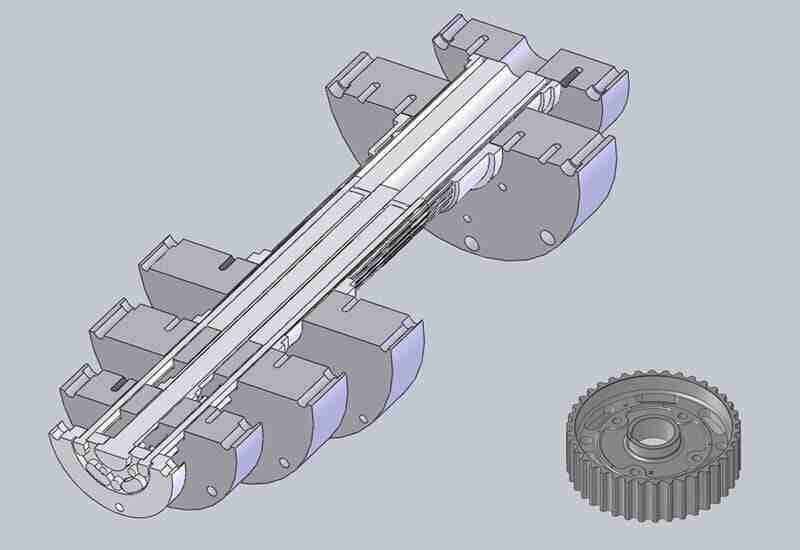
Not every machined or forged part is suitable for powder metallurgy. The part shape must match the P/M pressing direction and forming method.
Simple shapes, splines, teeth, and uniform wall sections are easier to convert. Cross holes, undercuts, and complex 3D features often need extra machining.
A good conversion should reduce machining steps. If too many secondary operations are still needed, the P/M advantage becomes smaller.
Material performance must be checked before conversion. Powder metallurgy parts can provide good strength, wear resistance, and dimensional stability, but they may not match forged parts.
Load condition is important. Parts under high impact, heavy bending, or severe fatigue need careful evaluation.
The goal is not to copy the old material exactly. The goal is to meet the required performance with a suitable P/M material.
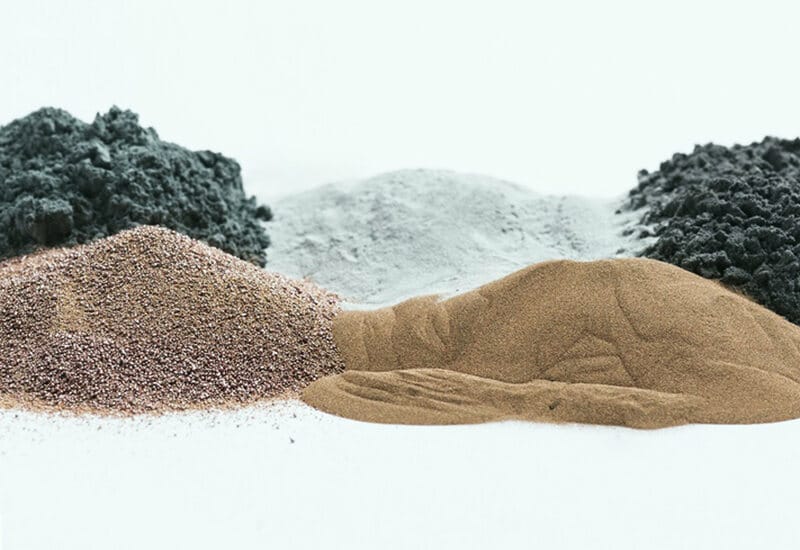
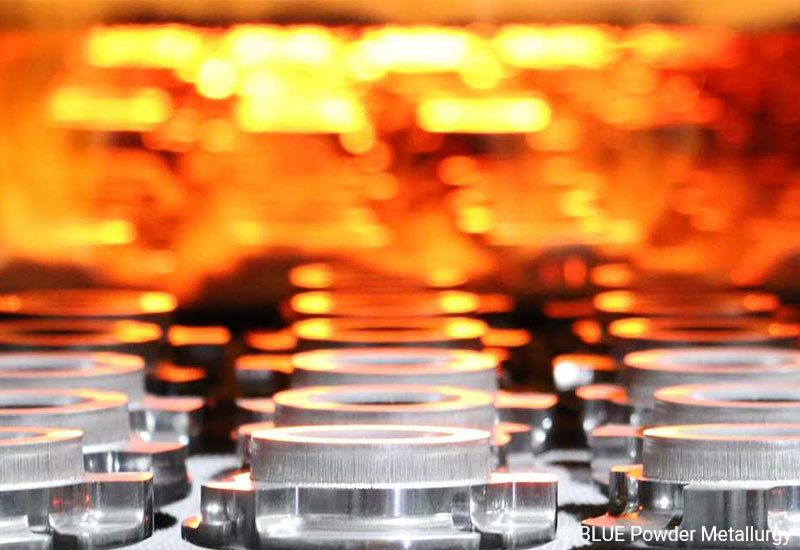
Powder metallurgy is more suitable for high volume production. Tooling cost is higher, but unit cost is lower in mass production.
You should compare the full production cost. This includes tooling, material use, machining, heat treatment, and surface finishing.
The best parts for conversion are those that can be made close to final shape. They should also have stable demand and repeatable dimensions.
Upload your drawing to receive a fast quotation within 24 hours.
Select the product list you need and our team will send it to you shortly.
Submit your question and we will get back to you shortly.